
In the world of beauty and skincare proper hydration is the ultimate key to achieving healthy glowing and radiant skin. One of the most effective and effortless ways to deeply nourish repair and rejuvenate your skin overnight is by using a high-quality hydrating sleeping mask.
Unlike regular face masks a sleeping mask works throughout the night allowing active ingredients to penetrate deeply and enhance the skin’s natural repair process. In this article we’ll explore the benefits key ingredients usage tips and the best ways to include a hydrating sleeping mask in your skincare routine.
What is a Hydrating Sleeping Mask?
A hydrating sleeping mask is an innovative skincare product that is applied before bed and left on overnight to work its magic while you sleep. Packed with powerful moisture-locking ingredients skin repairing antioxidants and soothing agents it helps restore deep hydration, improve overall skin texture and boost your natural radiance. Unlike heavy night creams these masks are usually lightweight non greasy and fast-absorbing making them extremely comfortable and refreshing to wear throughout the night.
Benefits of a Hydrating Sleeping Mask
Deep Hydration
Enriched with hydrating ingredients like hyaluronic acid glycerin and aloe vera these masks draw moisture into the skin leaving it soft and supple.
Boosts Skin Repair
At night the skin repairs itself. Sleeping masks speed up this process by supplying essential nutrients.
Prevents Moisture Loss
Overnight air-conditioning or dry climates can deplete skin moisture. A sleeping mask forms a protective barrier locking hydration in.
Soothes and Calms the Skin
Ingredients like chamomile green tea extract and centella asiatica reduce irritation and redness especially beneficial for sensitive skin.
Improves Skin Elasticity
Peptides and ceramides enhance skin’s elasticity and reduce the appearance of fine lines and wrinkles.
Boosts Radiance
With regular use sleeping masks brighten the skin smooth uneven tone and help fade dark spots.
Key Ingredients in a Hydrating Sleeping Mask
-
Hyaluronic Acid: Locks in moisture and provides lasting hydration.
-
Glycerin: Keeps skin soft and smooth.
-
Aloe Vera: Calms irritation and hydrates.
-
Niacinamide: Improves skin tone and reduces redness.
-
Peptides: Boost collagen production for firmness.
-
Ceramides: Strengthen the skin barrier and prevent water loss.
-
Green Tea Extract: Rich in antioxidants, protects against environmental damage.
-
Chamomile Extract: Soothes and calms sensitive skin.
How to Use a Hydrating Sleeping Mask
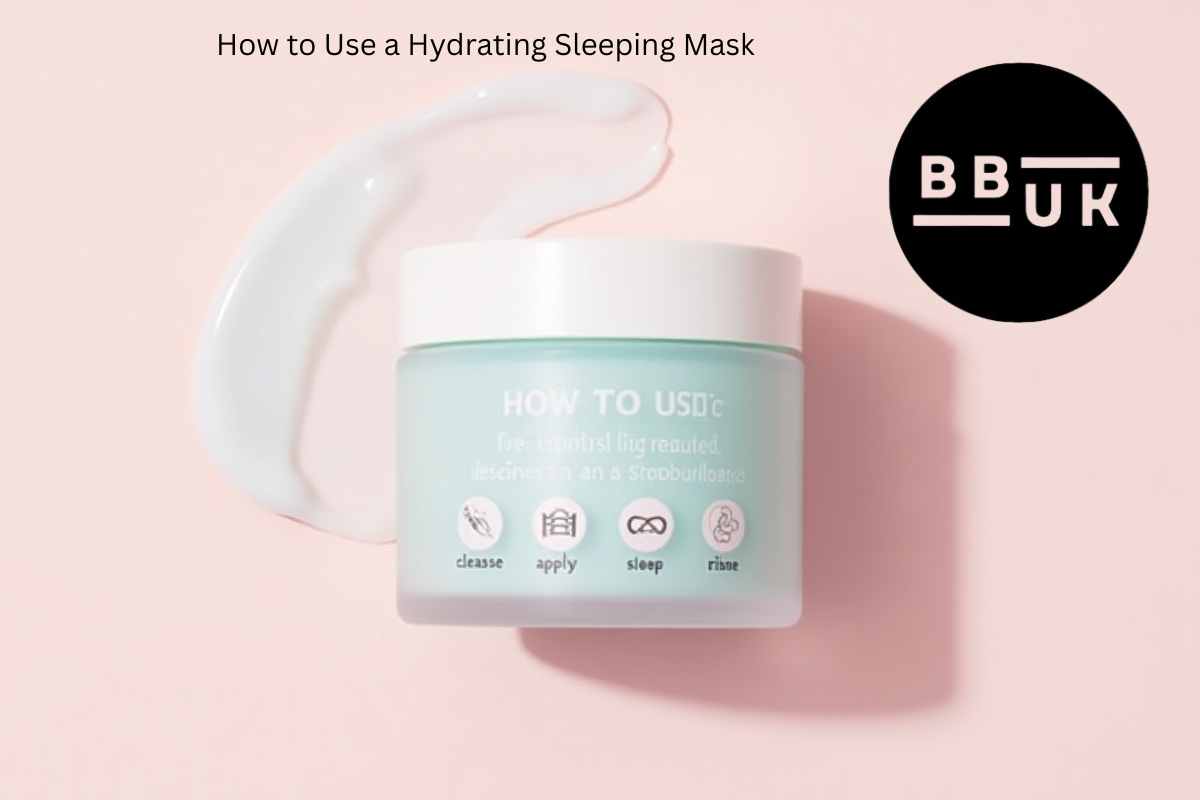
For best results follow these simple steps:
Cleanse Your Face Remove all dirt oil and makeup.
Apply Toner and Serum (Optional) Hydrating toners and serums prep your skin.
Apply the Sleeping Mask Spread evenly across face and neck.
Let It Absorb No need to rinse the mask will work overnight.
Sleep Well Leave it on throughout the night.
Rinse in the Morning Wash with lukewarm water and follow your usual morning routine.
How Often Should You Use It?
Most hydrating sleeping masks can be safely used around 2–3 times a week as part of a consistent nighttime skincare routine. However if you have extremely dry flaky or dehydrated skin you can apply them more frequently sometimes even every other night to provide intense nourishment and restore lost moisture.
For oily or acne-prone skin it’s best to limit usage to once or twice a week to avoid clogged pores while still maintaining hydration. Combination skin types can use them 2–3 times weekly focusing on drier areas of the face while sensitive skin types should start slowly with once a week and gradually increase depending on tolerance. The key is to listen to your skin’s needs and adjust the frequency for maximum results.
Who Can Use a Hydrating Sleeping Mask?
-
Dry Skin: Restores lost moisture.
-
Oily Skin: Lightweight formulas balance oil without greasiness.
-
Combination Skin: Maintains hydration and balance.
-
Sensitive Skin: Calms irritation and reduces redness.
-
Aging Skin: Boosts collagen and reduces wrinkles.
Sleeping Mask vs. Traditional Night Cream
| Feature | Sleeping Mask | Night Cream |
|---|---|---|
| Texture | Lightweight gel-like | Thicker creamy |
| Purpose | Provides deep hydration | Provides long-term nourishment |
| Usage | 2–3 times per week | Daily |
| Absorption | Forms a protective barrier | Fully absorbs into skin |
How to Choose the Best Sleeping Mask
Look for hydrating ingredients like hyaluronic acid and glycerin.
Choose products free from parabens and artificial fragrances.
Pick a formula based on your skin type.
Check for extra benefits like brightening anti-aging or soothing effects.
Final Thoughts
A hydrating sleeping mask is much more than just a passing skincare trend it’s a transformative overnight treatment that delivers noticeable and long-lasting results. By locking in intense moisture strengthening the skin barrier supporting the skin’s natural repair and renewal process and boosting overall radiance it allows you to wake up with skin that feels refreshed plump smooth and glowing.
Suitable for almost every skin type including dry oily combination sensitive and aging skin these masks can be easily customized and integrated into your existing routine depending on your individual skincare needs. With the right formula consistent use and a little patience a hydrating sleeping mask can become your ultimate secret weapon for achieving youthful healthy nourished and radiant-looking skin effortlessly
FAQs
Can I use a hydrating sleeping mask every night?
Not always. Most people benefit from using it 2–3 times per week. However if you have very dry or dehydrated skin you may use it more often as long as it doesn’t cause irritation.
Do sleeping masks replace night creams?
No. Sleeping masks are meant as an additional treatment rather than a replacement. They provide intensive hydration and repair, while night creams are designed for daily nourishment.
Can oily or acne-prone skin use sleeping masks?
Yes. Choose lightweight gel-based non-comedogenic formulas to avoid clogged pores. Limit usage to once or twice a week.
Should I apply moisturizer before a sleeping mask?
It depends on your routine. If your skin is very dry you can apply moisturizer first and then layer the sleeping mask on top to lock everything in. Otherwise, the mask alone is enough.
Do I need to wash off a sleeping mask in the morning?
Yes. Always rinse your face with lukewarm water in the morning to remove the mask and continue with your regular skincare routine.
What’s the difference between a sleeping mask and a sheet mask?
A sheet mask is used for 15–20 minutes and then removed while a sleeping mask is left on overnight to continuously hydrate and repair the skin while you sleep.